
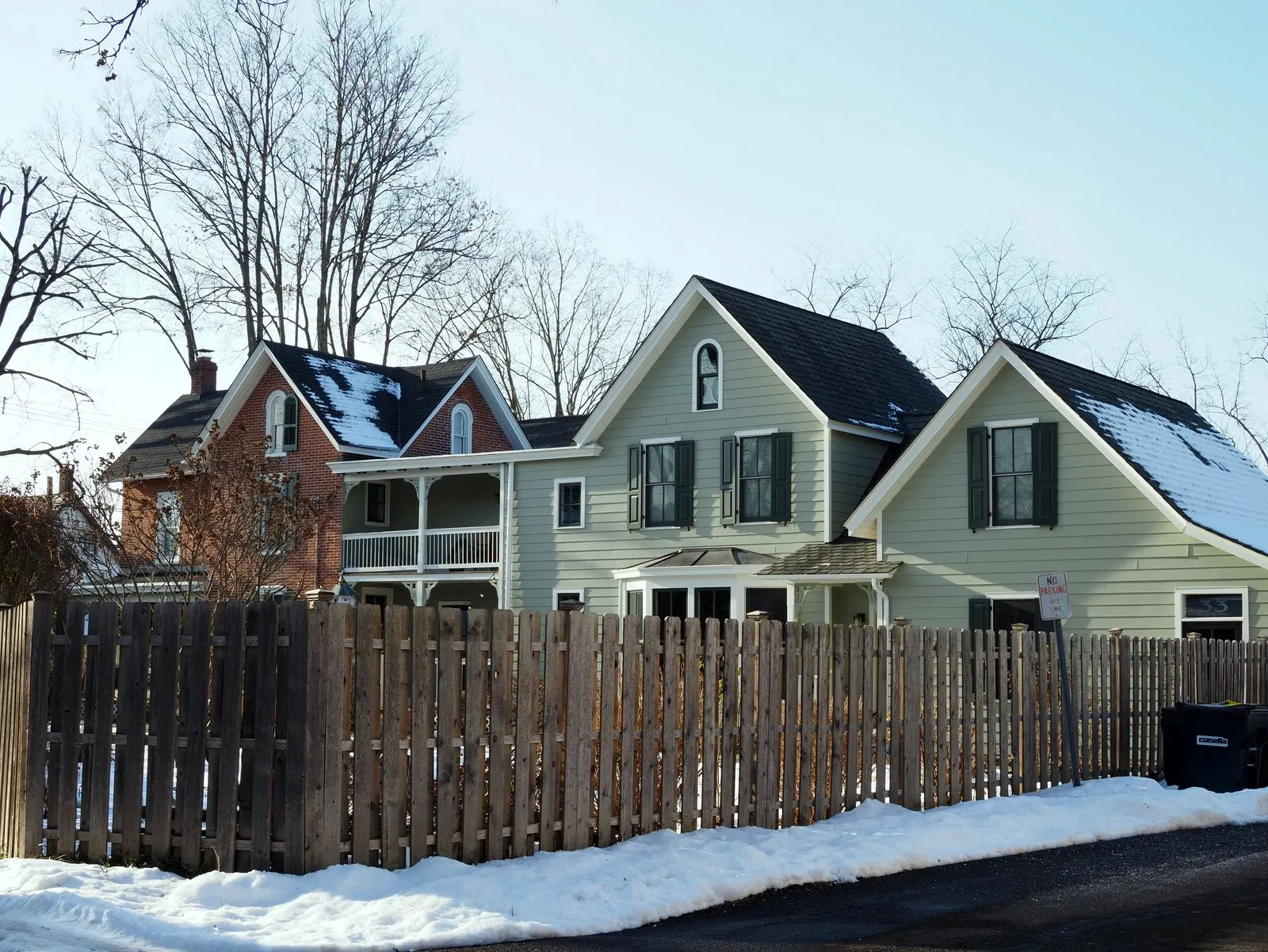
A historic home inspection report can include everything from routine maintenance notes to signs of active water damage or structural movement. The number of findings alone does not tell you how serious a property is. Read the report as a guide to current conditions, safety concerns, and questions that need further evaluation—not as a simple pass-or-fail grade. A careful review helps buyers and owners decide what to address first, what to monitor, and when to bring in a specialist.
Start With Scope and Limitations
Before reviewing individual findings, check what the inspection covered and what the inspector could not access. Stored belongings, finished walls, locked areas, weather conditions, or unsafe spaces can limit visibility. The report describes observable conditions on the inspection date; it does not certify that every hidden component is defect-free or predict how long a system will last.
Pay attention to recommendations for further evaluation. A note that a specialist should investigate a concern does not confirm the cause or full extent of the problem. It means the available inspection could not answer that question. Keep those limitations in mind when comparing findings, negotiating a purchase, or planning work on a home you already own.
Sort Findings by Risk
Look first for conditions involving immediate safety, active water entry, or ongoing damage. Examples may include exposed wiring, a significant roof leak, unstable steps, or evidence of moisture affecting wood. Confirm the report’s specific observations rather than assuming a heading tells the whole story. If a condition appears urgent, contact a qualified professional promptly and follow any safety guidance in the report.
Next, separate repairs that protect the building from routine maintenance and future planning. A deteriorating gutter, cracked masonry, or a sticking window may need attention, but urgency depends on the location, severity, and whether damage is progressing. Note the recommended action and any signs that would make the issue more pressing. Avoid treating every recommendation as an emergency or dismissing an item simply because it is common in older homes.
Understand Historic Materials
Older homes may have materials and construction details that differ from modern standards. A report may identify settled floors, older electrical components, original windows, or masonry that needs careful repair. The age of a feature does not automatically make it unsafe, and a newer replacement is not automatically a better fit. Read the observed condition and recommended next step, then ask what evidence supports the concern.
Use repair methods suited to the existing materials and building. For example, masonry repairs should account for the original brick and mortar, while old windows may be repairable rather than ready for replacement. A contractor experienced with historic buildings can help explain compatible options. If the report flags a possible hazard or concealed defect, get a qualified specialist to assess it before choosing a repair approach.
Plan Follow-Up Evaluations
For each recommendation, record the finding, the professional to contact, and the question you need answered. A roofer can assess a roof concern; an electrician can evaluate electrical components; and a structural engineer may be appropriate when movement or load-bearing elements raise questions. Ask the specialist to distinguish immediate work from monitoring or longer-term maintenance, and request written findings you can keep with the inspection report.
If you are buying, arrange important follow-up evaluations early enough to understand the scope before your transaction deadlines. If you own the home, keep a dated record of repairs, photographs, invoices, and changes in the condition. Brickline Home Inspections can help Naperville buyers and owners review historic-home findings and identify areas that may need closer attention. Use the report to guide informed next steps, not to replace specialist advice.
A useful inspection report turns observations into a practical plan: address immediate risks, protect the home from ongoing damage, and schedule specialist evaluations where needed. Keep the report and repair records together so future decisions build on what you already know. If you need help understanding findings in a historic home, contact Brickline Home Inspections to discuss your next steps.